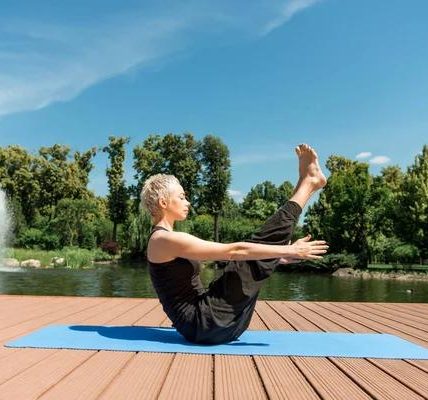


Improving inner calm is a valuable pursuit that can greatly enhance overall well-being and resilience in daily life. Achieving a state of inner calm requires consistent practice and intentional effort, rather than expecting immediate results. One of the most effective ways to cultivate tranquility is through mindfulness, which involves paying deliberate attention to the present moment without judgment. Regular mindfulness practice helps individuals become more aware of their thoughts and emotions, allowing them to respond thoughtfully instead of reacting impulsively. This heightened awareness creates space for peace amid external chaos.
Developing a routine that incorporates meditation or deep breathing exercises can significantly contribute best brands to buy kratom sustained inner calm. Meditation encourages mental stillness by focusing on breath or a specific point of concentration, thereby reducing stress and anxiety over time. Deep breathing techniques activate the body’s relaxation response, lowering heart rate and calming the nervous system effectively. Practicing these methods daily-even for just a few minutes-can lead to noticeable improvements in emotional stability.
Another important aspect is cultivating self-compassion during moments of difficulty or frustration. Often, people experience internal turmoil because they are overly critical or harsh toward themselves when facing challenges. By adopting a kinder attitude internally, it becomes easier to maintain composure and reduce negative self-talk that fuels stress reactions. Self-compassion also fosters patience with oneself throughout the journey toward greater calmness.
In addition to mental exercises, physical activity plays an essential role in promoting inner peace. Engaging in regular exercise such as walking, yoga, or stretching releases endorphins that improve mood while simultaneously helping release tension stored in muscles. Movement supports both physical health and emotional regulation by encouraging relaxation after exertion.
Creating an environment conducive to calmness further reinforces these practices. Minimizing distractions like excessive noise or clutter allows for better focus during mindfulness sessions and reduces overstimulation throughout the day. Establishing consistent sleep patterns also enhances one’s ability to manage stress effectively since rest replenishes cognitive resources needed for emotional control.
Lastly, integrating gratitude into everyday life nurtures positive thinking patterns that counterbalance worry or negativity often associated with unrestful states of mind. Reflecting regularly on things one appreciates shifts attention away from problems toward sources of contentment.
By committing consistently to mindfulness techniques, self-kindness, physical movement, environmental adjustments, restful habits, and gratitude reflection over time individuals can develop lasting inner calm despite external pressures they encounter daily.