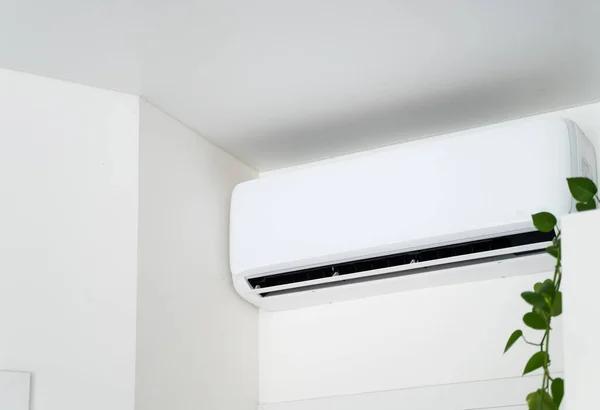

If your air conditioner runs constantly but still fails to cool your home effectively, it can be both frustrating and uncomfortable. This issue is more common than you might think and can stem from a variety of causes. Understanding these potential problems can help you identify the right solution, ensuring that your air conditioning system operates efficiently.
One primary reason for an air conditioner running non-stop without cooling adequately is a dirty or clogged air filter. When the filter becomes blocked with dust and debris, it restricts airflow through the system. This not only forces the unit to work harder but also reduces its ability to cool the air effectively. Regularly checking and replacing or cleaning the air filters can significantly improve performance.
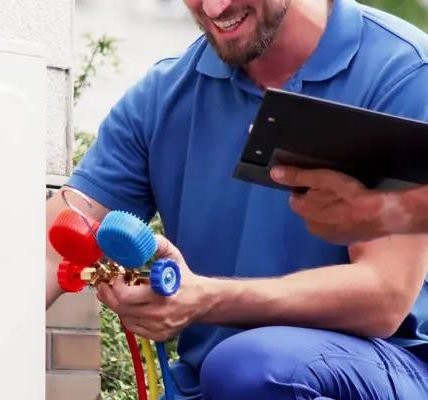
Another possibility is low refrigerant levels in your AC unit. Refrigerant is essential for absorbing heat from inside your home and releasing it outside. If there’s a leak or if the refrigerant was not properly charged during installation, it may lead to insufficient cooling despite continuous operation. It’s crucial to have a professional check and refill refrigerant levels as needed since handling refrigerants requires specialized knowledge.
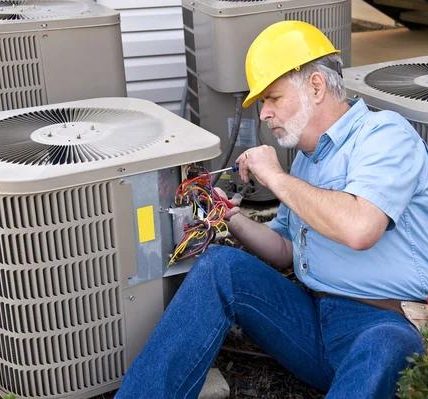
The condition of your evaporator coil could also be at fault. Over time, these coils can become covered in dirt or ice due to improper maintenance or airflow issues, hindering their ability to absorb heat efficiently. Regular maintenance by an HVAC professional includes checking and cleaning these components to prevent such problems.
Additionally, poor insulation within your home might contribute significantly to explore this website issue. If there are leaks around windows or doors allowing cold air out and hot air in, even a well-functioning AC unit will struggle to maintain desired temperatures without running continuously.
Faulty thermostats are another common culprit behind persistent yet ineffective cooling cycles of an AC system; they may send incorrect signals leading units into overdrive unnecessarily while failing at maintaining consistent indoor climate control settings programmed by users themselves! Ensuring proper calibration along with timely upgrades (if needed) helps avoid such inconsistencies altogether!
Lastly – consider whether current capacity meets household demands adequately enough given changes made over time like adding new rooms/extensions etc., which could potentially overwhelm existing systems beyond capabilities thus necessitating either upgrading entire setup altogether OR investing supplemental solutions such as portable fans/dehumidifiers depending upon specific circumstances involved therein accordingly based upon expert recommendations obtained beforehand wisely instead perhaps?
In conclusion: identifying why exactly any particular model might behave erratically requires careful examination across multiple fronts ranging everything mentioned above plus possibly others too depending individual situations encountered each case-by-case basis respectively hence always best consult professionals whenever uncertain about next steps proceed further safely/effectively ultimately maximizing overall comfort levels achieved throughout living spaces concerned eventually indeed!