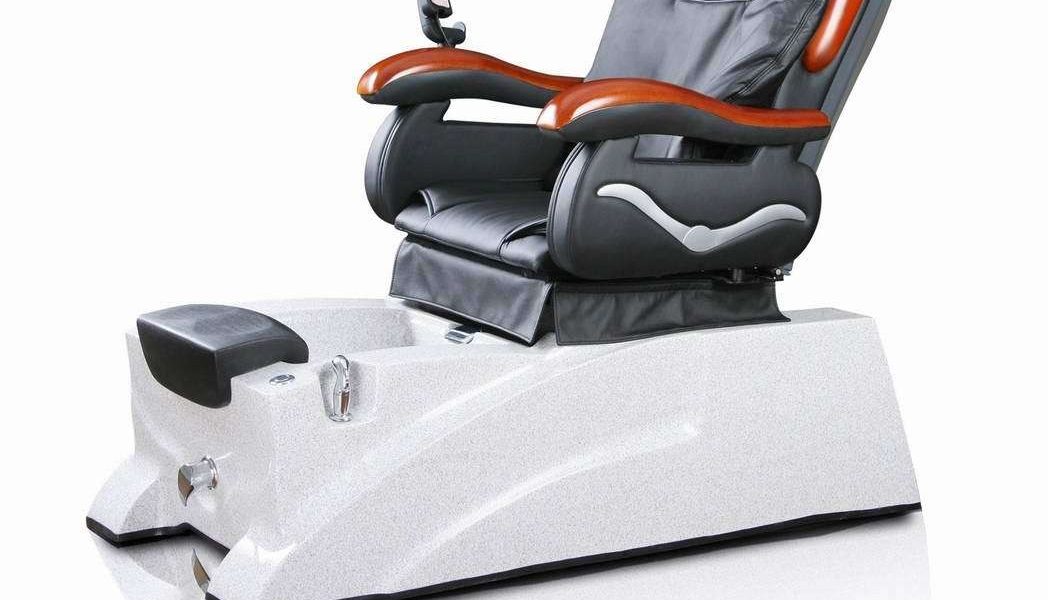

Muscle fatigue is a common condition experienced by people of all ages and activity levels. It occurs when muscles become tired or weak due to prolonged physical activity, overuse, or inadequate recovery time. The sensation of muscle fatigue can range from mild discomfort to severe soreness, often impacting daily activities and overall quality of life. Many individuals seek effective methods to alleviate this discomfort, and one increasingly popular option is the use of massage chairs. These devices are designed to simulate the effects of a professional massage by applying various techniques such as kneading, rolling, tapping, and vibration to different parts of the body. But can massage chairs truly help with muscle fatigue?
Massage chairs offer several potential benefits that may contribute to reducing muscle fatigue. One primary advantage is improved blood circulation. When muscles are fatigued, they often accumulate metabolic waste products like lactic acid which can cause stiffness and soreness. The mechanical motions of a massage chair reviews stimulate blood flow in targeted areas, promoting oxygen delivery and nutrient exchange while facilitating the removal of these waste products. Enhanced circulation helps muscles recover more quickly after exertion.
Additionally, massage chairs provide consistent pressure on specific muscle groups which aids in relaxing tight or knotted muscles commonly associated with fatigue. This relaxation effect reduces tension within muscle fibers and connective tissues, alleviating pain and improving flexibility over time. The gentle stretching movements incorporated into some advanced models also contribute to loosening stiff joints and enhancing range of motion.
Another important factor is stress reduction through relaxation induced by massage therapy techniques employed by these chairs. Stress can exacerbate feelings of muscular exhaustion because it triggers the release of cortisol-a hormone that negatively impacts muscle repair processes if chronically elevated. By promoting relaxation via rhythmic massages combined with heat therapy features available in many modern units, users experience decreased mental stress alongside physical relief.
Scientific research supports some claims regarding the effectiveness of massage for reducing delayed onset muscle soreness (DOMS) after exercise; however, studies specifically focusing on massage chairs remain limited but promising nonetheless. Users frequently report subjective improvements in comfort levels following sessions with their devices.
Despite their benefits, it’s essential to recognize that massage chairs should be viewed as complementary tools rather than standalone treatments for serious muscular conditions or injuries requiring medical attention. Proper technique during use-such as adjusting intensity settings appropriately-is crucial for maximizing therapeutic outcomes without causing additional strain.
In conclusion, while individual experiences may vary depending on factors like chair quality and user health status, massage chairs have demonstrated potential advantages in mitigating symptoms related to muscle fatigue through enhanced circulation, relaxation of tense muscles, and stress reduction mechanisms alike. Incorporating regular sessions using a well-designed chair might be an effective strategy for those seeking non-invasive ways to manage everyday muscular tiredness safely at home or workplace environments alike.