
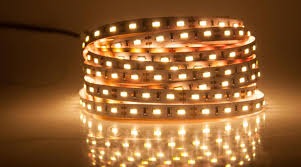

LED lighting has become a major part of modern homes, offices, and commercial spaces. From signboards to decorative lighting, LED systems are known for their efficiency, long life, and flexibility. However, behind every well-working LED installation are dependable components that ensure safety and stable performance. Quality power units and trusted distribution networks play an important role in keeping lighting systems reliable. When businesses and installers focus on durable parts and reliable suppliers, they create lighting setups that last longer and perform better. This focus on quality not only improves lighting results but also helps reduce maintenance and replacement costs in the long run.
The Importance of Reliable Power Components in LED Systems
Power units are the backbone of any LED lighting setup. They convert electrical energy into a stable form that LEDs can safely use. Without the right power solution, lights may flicker, overheat, or stop working much sooner than expected. That is why many professionals prefer using a Waterproof Power Supply in environments where moisture, dust, or outdoor conditions are common. Whether it is used in garden lighting, outdoor signage, or building decorations, a sealed power system protects internal circuits from damage. This extra protection increases safety and keeps the lighting system running smoothly even in challenging conditions, making it a smart choice for both commercial and residential lighting projects.
Why Quality Distribution Matters in the LED Industry
The LED industry depends not only on good products but also on reliable supply chains. Businesses often need consistent access to components so their projects can be completed on time. This is where a trusted LED module distributor becomes valuable. A dependable distributor ensures that installers, retailers, and lighting companies receive genuine products with stable quality. Instead of dealing with uncertain suppliers or inconsistent stock, professionals can rely on distributors who understand the needs of the lighting market. This connection between manufacturers and customers helps maintain product standards, reduces delays, and builds long-term trust within the industry.
Expanding Applications of LED Lighting Across Industries
LED technology has evolved rapidly in recent years, and its applications continue to grow. Retail stores use LED modules to create eye-catching displays, while hotels and restaurants rely on them for warm and inviting atmospheres. Outdoor advertising also depends heavily on LED systems because they offer bright visibility while using less electricity. In homes, LED lighting adds style to kitchens, ceilings, and furniture designs. Because of their compact size and flexibility, LED modules can fit into spaces where traditional lighting cannot. As more industries adopt energy-efficient solutions, the demand for reliable LED components will continue to rise across different sectors.
Benefits of Choosing Durable and Energy-Efficient Components
Durability and efficiency are two of the most important advantages of modern LED systems. When lighting installations use high-quality components, they require less maintenance and operate more efficiently. This means lower electricity bills and fewer replacement costs over time. For businesses that rely on large lighting setups, such as shopping centers or signage companies, these savings can be significant. Durable components also reduce environmental impact because fewer materials are wasted on replacements. By investing in reliable power units and LED modules from the beginning, companies create lighting systems that remain effective and efficient for many years.
The Future of LED Lighting and Smart Energy Solutions
As technology continues to improve, LED lighting is becoming even more advanced. Smart control systems, dimmable lights, and energy-monitoring solutions are becoming common features in modern installations. These innovations allow users to control brightness, adjust color temperatures, and manage energy consumption more effectively. The growing focus on sustainability is also pushing the industry toward more efficient lighting technologies. In the future, LED systems will likely integrate even more closely with smart buildings and automated environments. Businesses that keep up with these developments will be able to offer better lighting experiences while also supporting energy-saving goals.
Conclusion
LED lighting continues to shape the future of modern illumination by offering efficiency, flexibility, and long service life. When combined with reliable components and trusted suppliers, these systems deliver strong and consistent performance in many environments. For businesses and professionals looking to explore dependable LED solutions and quality components, visiting dekingled.com can provide helpful insights and product options to support a wide range of lighting projects.